
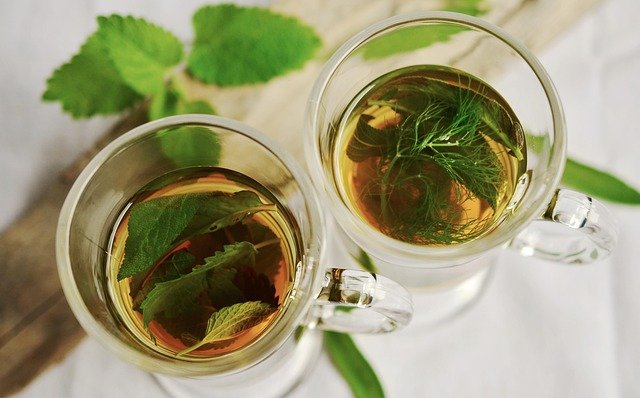
When you live with Crohn’s disease or ulcerative colitis, even small daily habits can make a big difference in how your gut feels. One of my favorite tools as a holistic IBD dietitian and someone who has lived with IBD for over 20 years, is using anti-inflammatory teas for IBD. Teas are gentle, healing, and easy to include in your daily routine. The right teas can help reduce inflammation, improve digestion, and support your gut during both flares and remission.
These teas are part of an effective anti-inflammatory diet for IBD, and many come from Traditional Chinese Medicine (TCM), which focuses on strengthening digestion and calming internal inflammation.
In TCM, drinking warm liquids first thing in the morning is a practice that has been used for over 2,500 years to gently activate digestion. I love tea for this reason. It’s warm, medicinal and easy to prepare. Warm drinks first thing in the morning strengthens the digestive system, supports the body’s natural detox processes, and prepares the gut for food.
Ginger Tea: Best Tea for IBD Flares and Digestion
Ginger tea is one of the best teas for people following a Crohn’s disease diet or ulcerative colitis diet. It contains natural anti-inflammatory compounds called gingerols that help reduce inflammation in the gut and support healing of the intestinal lining. Ginger also helps stimulate digestive enzymes, improve digestion, and reduce common IBD symptoms like bloating, gas, and nausea. This makes it especially helpful during an IBD flare when digestion is weaker.
I love drinking ginger tea first thing in the morning to warm up my digestive system. I also love drinking ginger tea after I eat something that makes my gut off, when I feel bloated, or when I’m flaring.
Chamomile Tea: Best Tea to Calm Inflammation and Stress
Chamomile tea supports both gut healing and nervous system relaxation, making it an excellent choice for people following an anti-inflammatory diet for IBD. Chamomile contains active compounds like apigenin and chamazulene, which have anti-inflammatory and antispasmodic effects. These compounds help reduce inflammation in the intestinal lining and relax the smooth muscles of the digestive tract, which may decrease cramping and discomfort common in Crohn’s disease and ulcerative colitis.
Chamomile also works by calming the nervous system and reducing cortisol, the body’s main stress hormone. Stress is a major trigger for IBD flares because it can increase inflammation, disrupt digestion, and alter gut bacteria. Through the gut-brain connection, chamomile helps activate the parasympathetic nervous system, also known as the “rest and digest” state. This allows the digestive system to function more efficiently, supports gut healing, and may help reduce flare frequency over time.
Fennel Tea: Best Tea for Gas and Digestive Support
Fennel tea is a gentle and effective option for people following an anti-inflammatory diet for IBD, widely used in both Western herbal medicine and Traditional Chinese Nutrition. Fennel contains compounds like anethole, fenchone, and estragole, which have antispasmodic and carminative properties. These compounds relax the smooth muscles of the digestive tract, helping move trapped gas, reduce bloating, and relieve cramping without irritating the gut lining.
Fennel tea also stimulates digestive enzymes and bile production, which improves nutrient absorption and overall digestion. Drinking fennel tea after meals can support the gut during digestion, ease discomfort, and help maintain a healthy digestive rhythm, making it an ideal tea for soothing symptoms of Crohn’s disease and ulcerative colitis.
Chrysanthemum Tea: Best Cooling Tea for Gut Inflammation
Chrysanthemum tea is a soothing and anti-inflammatory tea commonly used in Traditional Chinese Medicine to support gut health, making it an excellent choice for people with IBD. I was recommended Chrysanthemum by my acupuncturist and never turned back. Its taste is mild and floral, similar to chamomile tea.
Chrysanthemum contains flavonoids and antioxidants that help reduce inflammation, calm irritation in the digestive tract, and support immune balance. In Chinese nutrition, many digestive issues are linked to excess internal heat, which can worsen inflammation. Chrysanthemum tea works by clearing this heat and gently cooling the gut, helping to reduce symptoms like bloating, discomfort, and irritation. I noticed this tea can be slightly diuretic, so it’s best to not drink too much of it during a flare if you are having trouble staying hydrated.
How to Add Tea to Your Daily IBD Routine
Start with 1–2 cups per day.
Best times to drink tea:
- Morning before eating (or drinking coffee) to support digestion
- After meals to reduce bloating
- Evening to calm inflammation and stress
- Or whenever works best for you!
Gentle Healing Starts with Daily Habits
Healing from IBD doesn’t always require complicated changes. Often, the most powerful tools are simple and consistent. Drinking anti-inflammatory teas is one of the easiest ways to support your gut, reduce inflammation, and improve digestion naturally.
These teas have been part of both traditional healing systems and modern gut health protocols for a reason, they work with your body, not against it. When combined with an anti-inflammatory diet for IBD, they can help reduce flares, calm symptoms, improve your gut bacteria, and support long-term gut healing.
Start with one tea you enjoy, drink it regularly, and let it become part of your daily gut-healing routine.